How to use this section
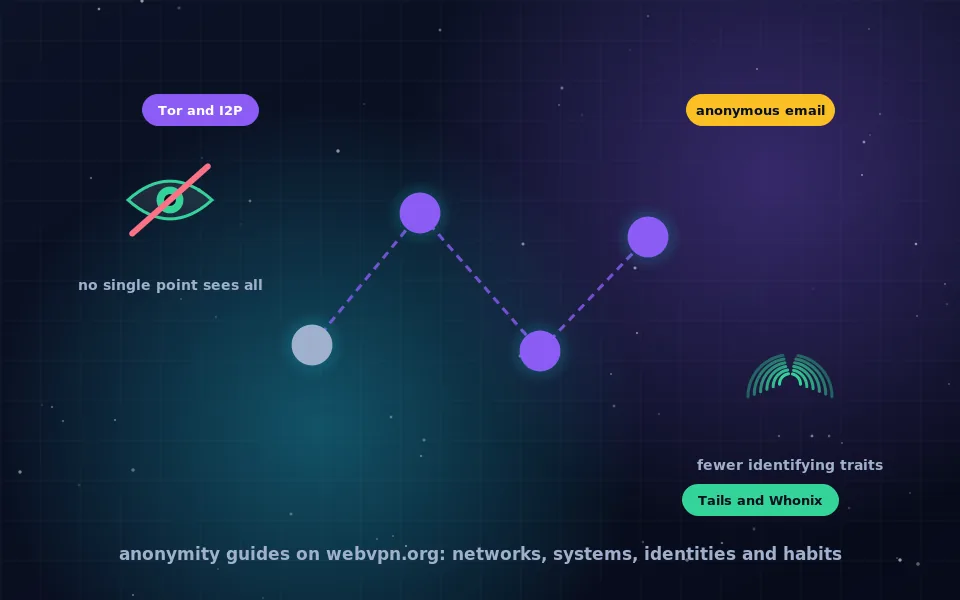
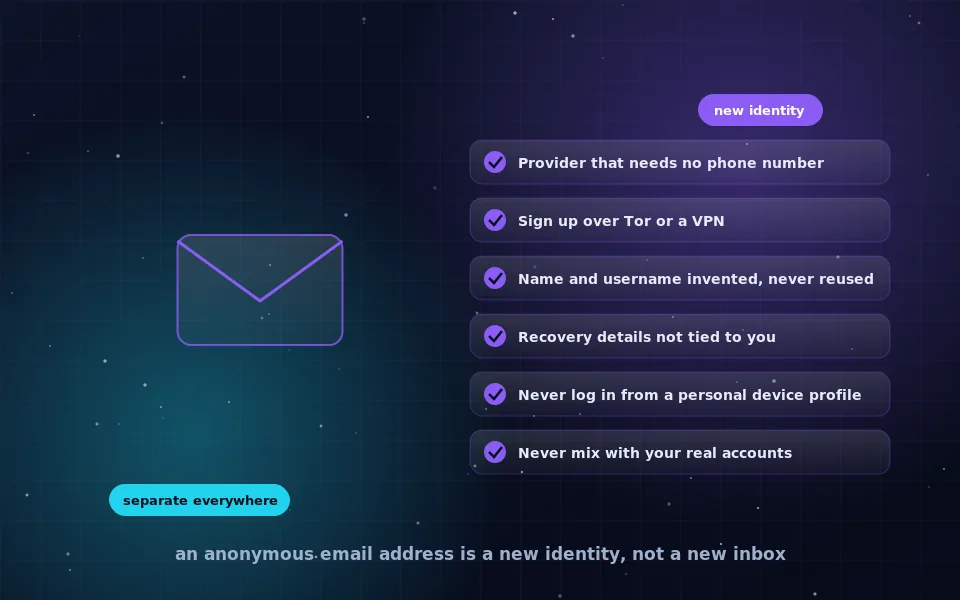
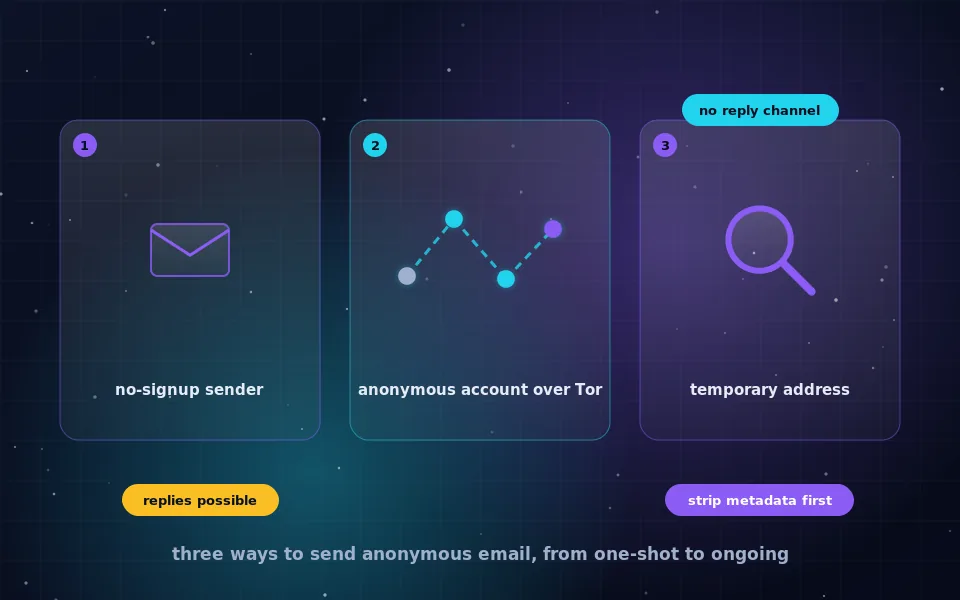
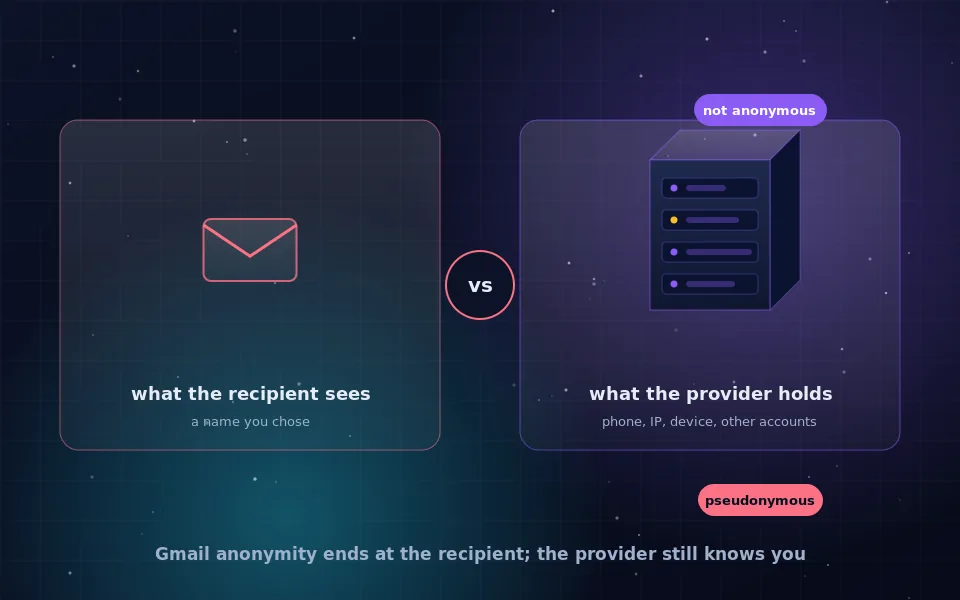
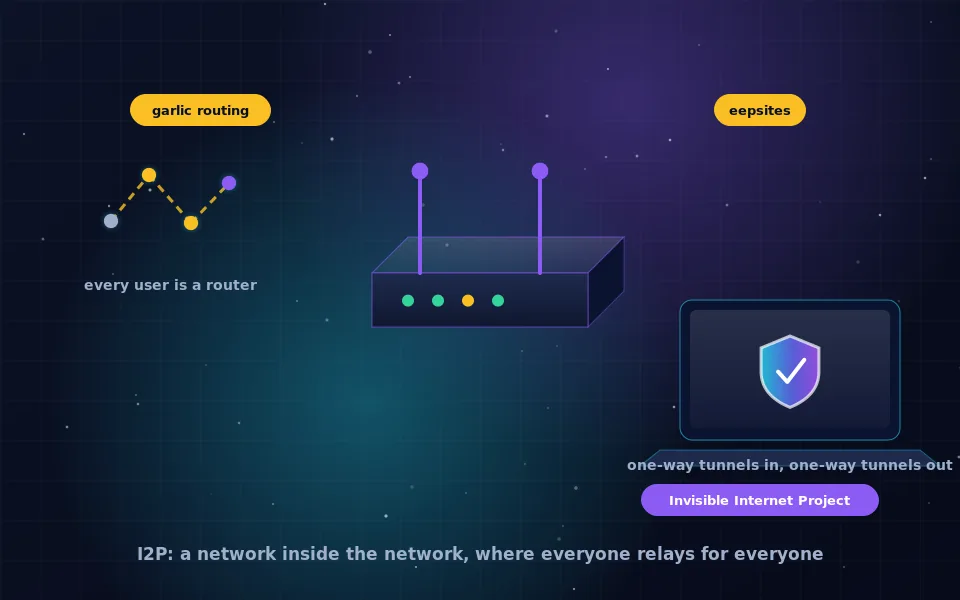
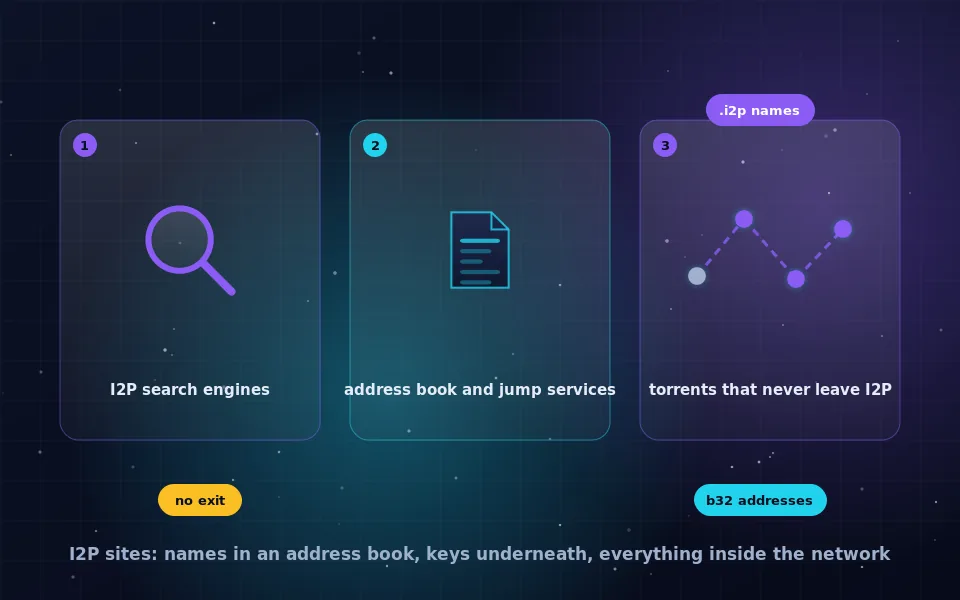
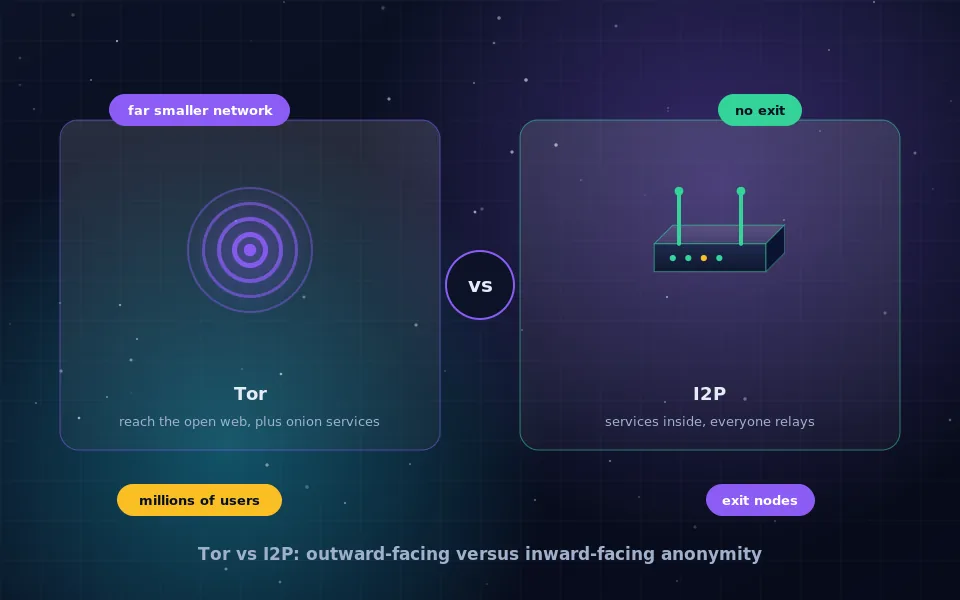
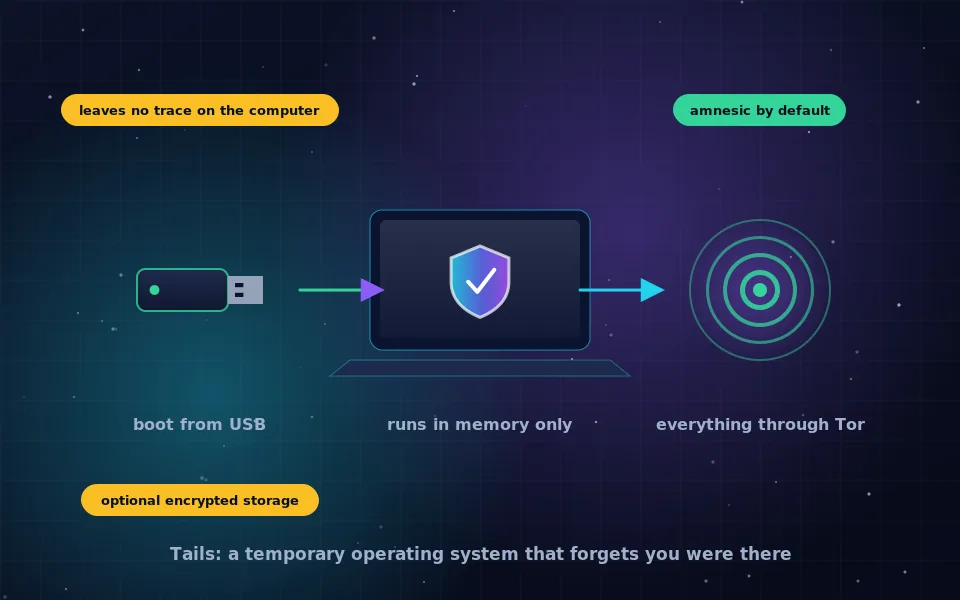
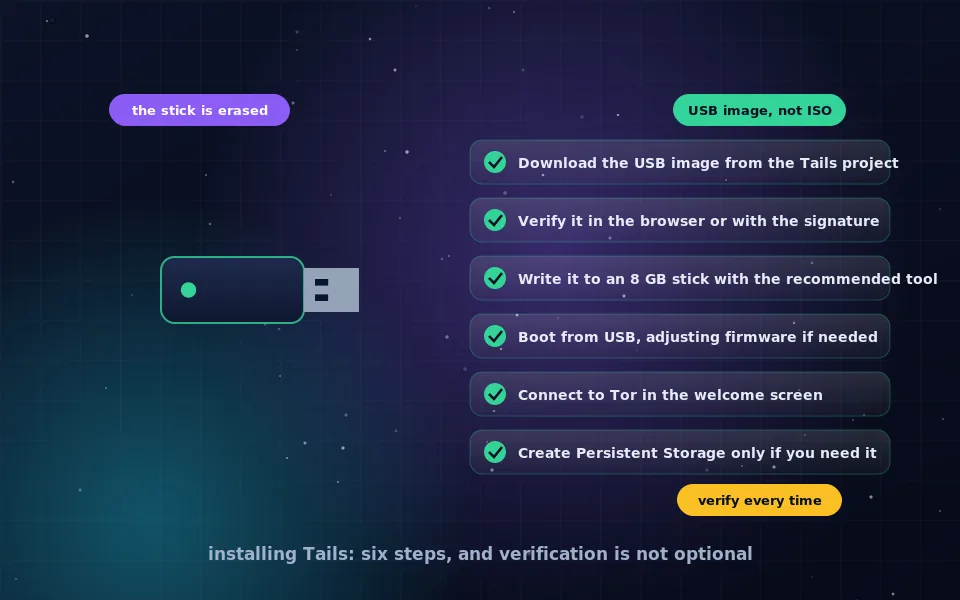
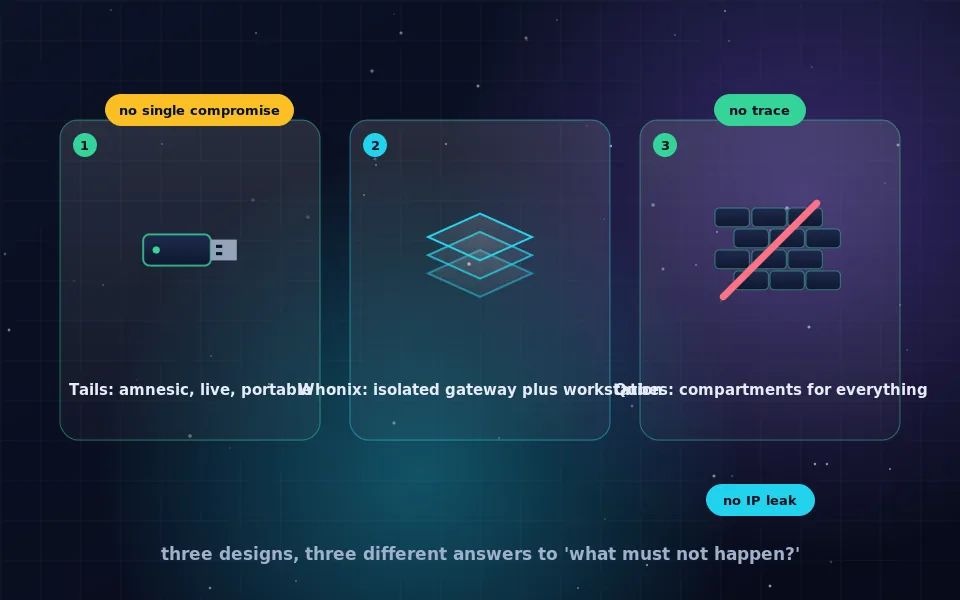
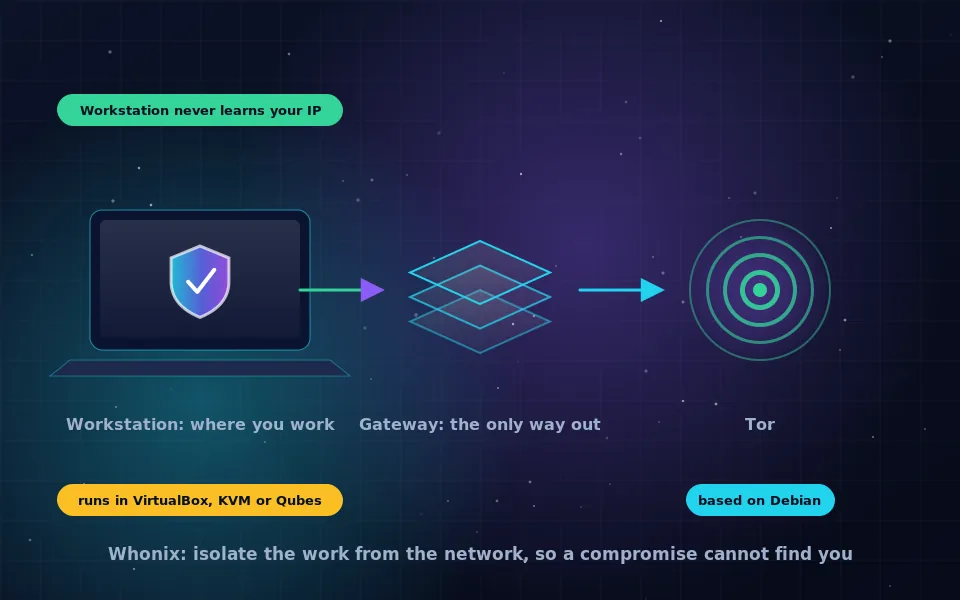
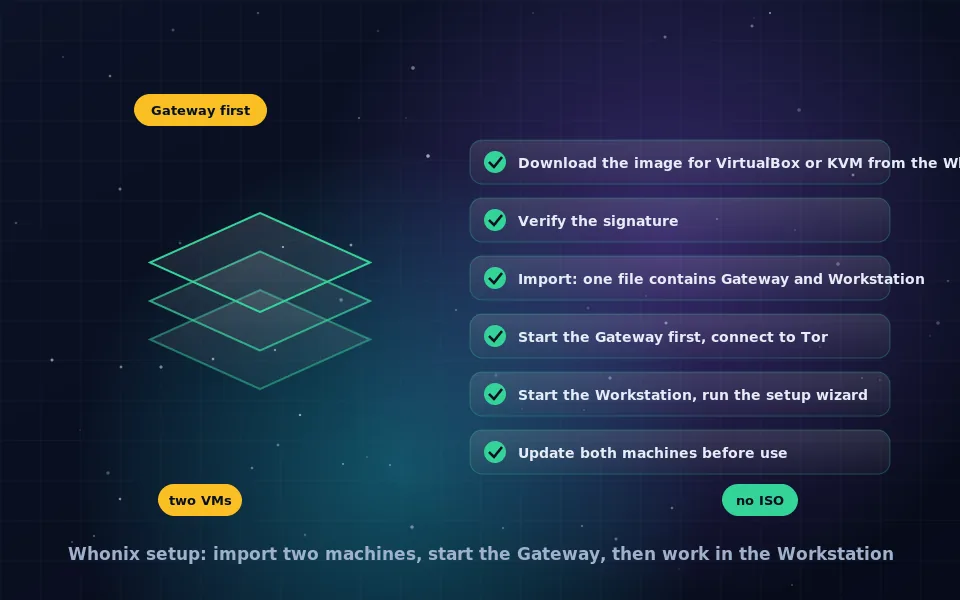
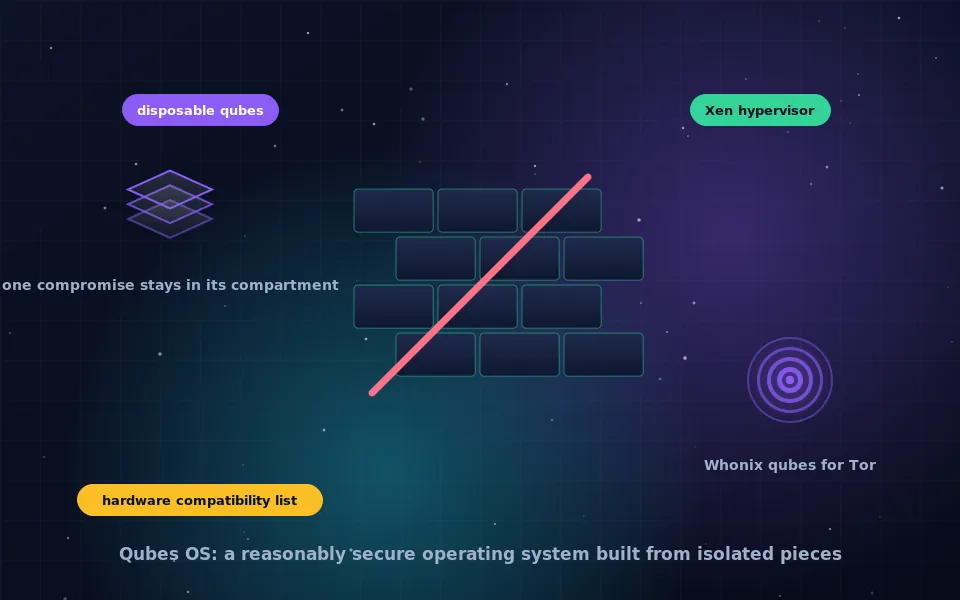
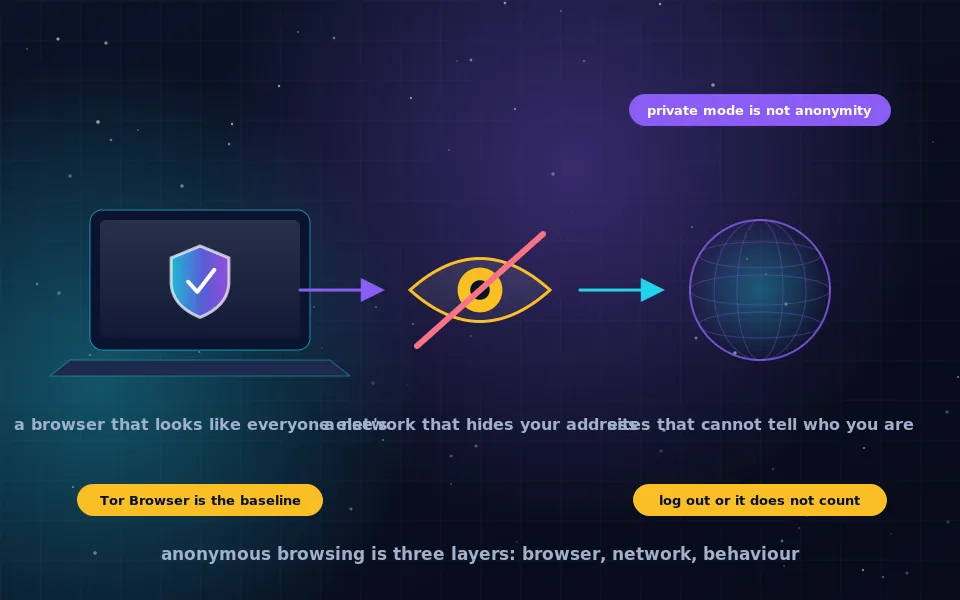
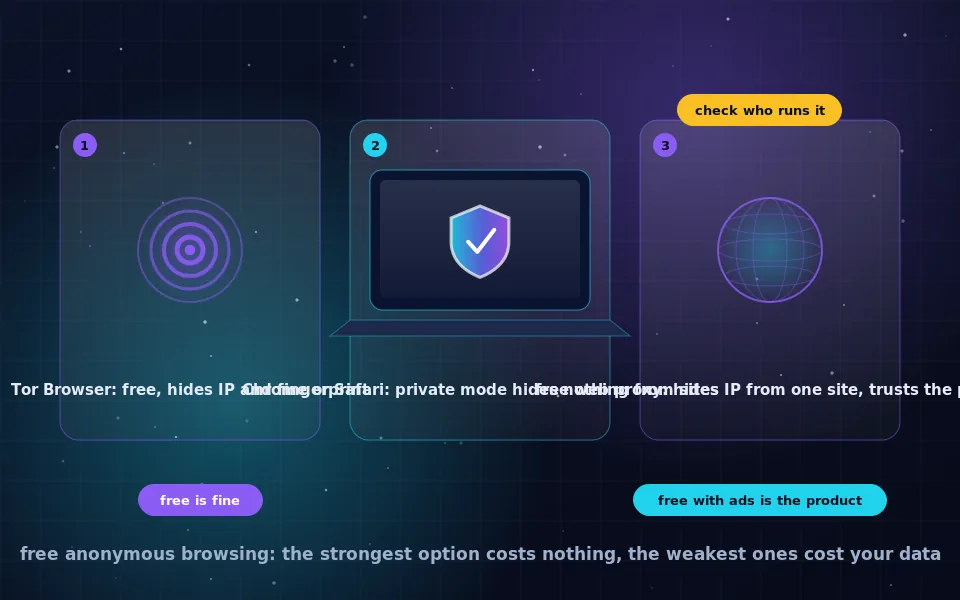
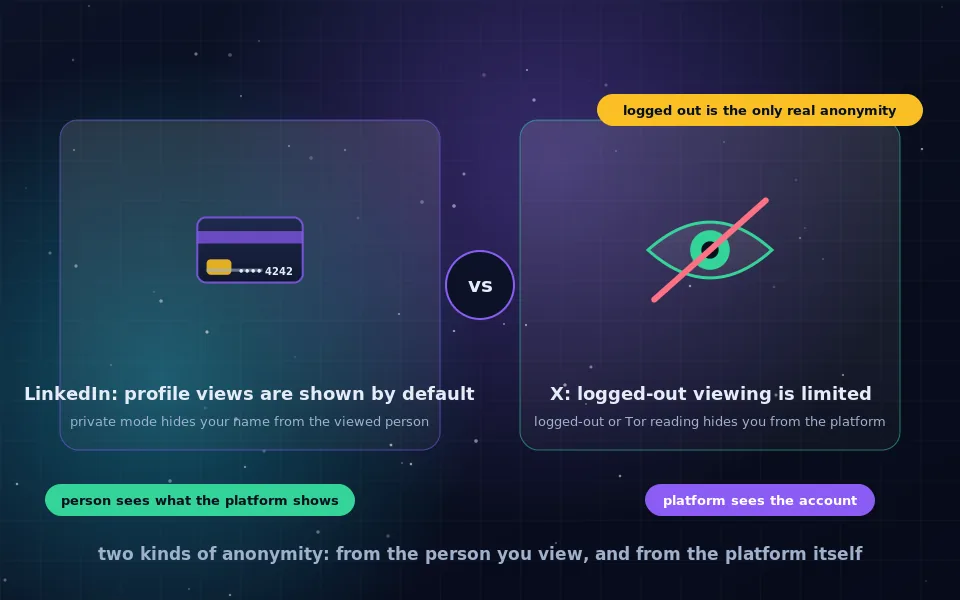
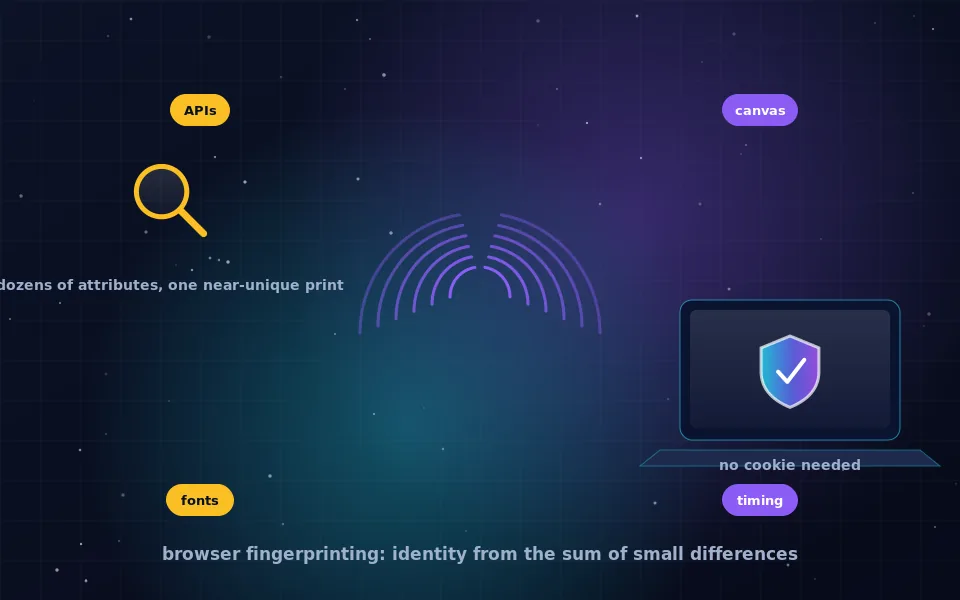
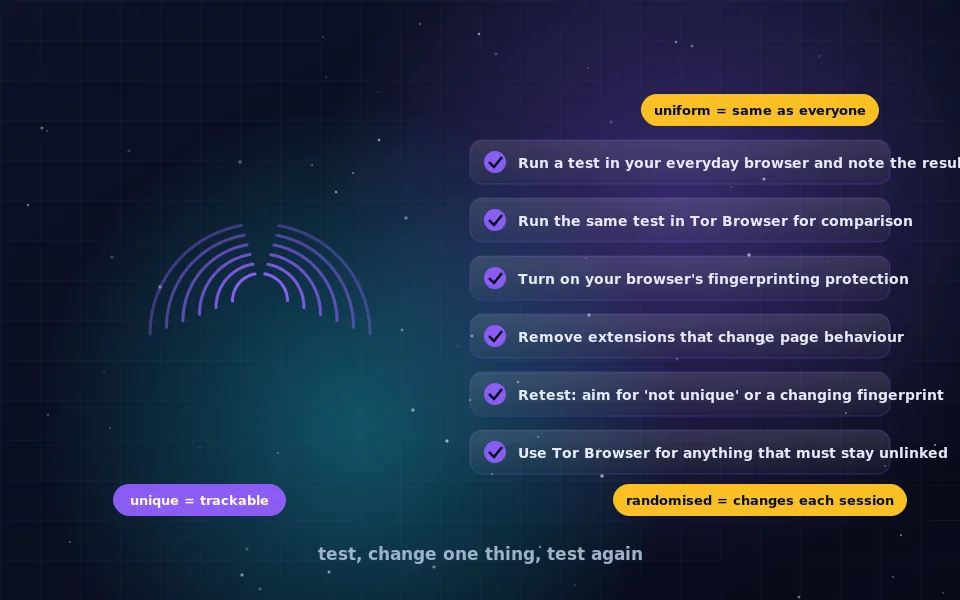
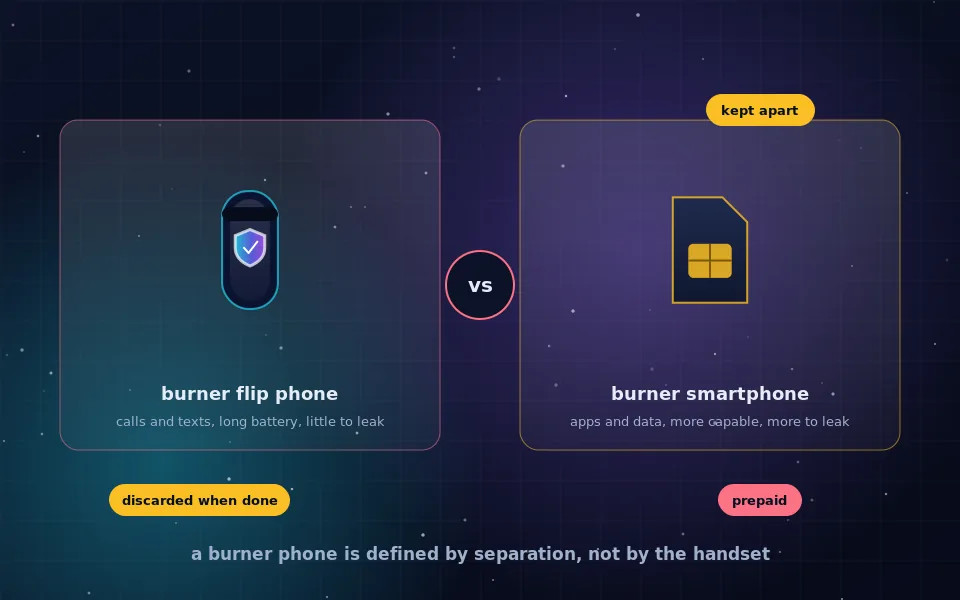
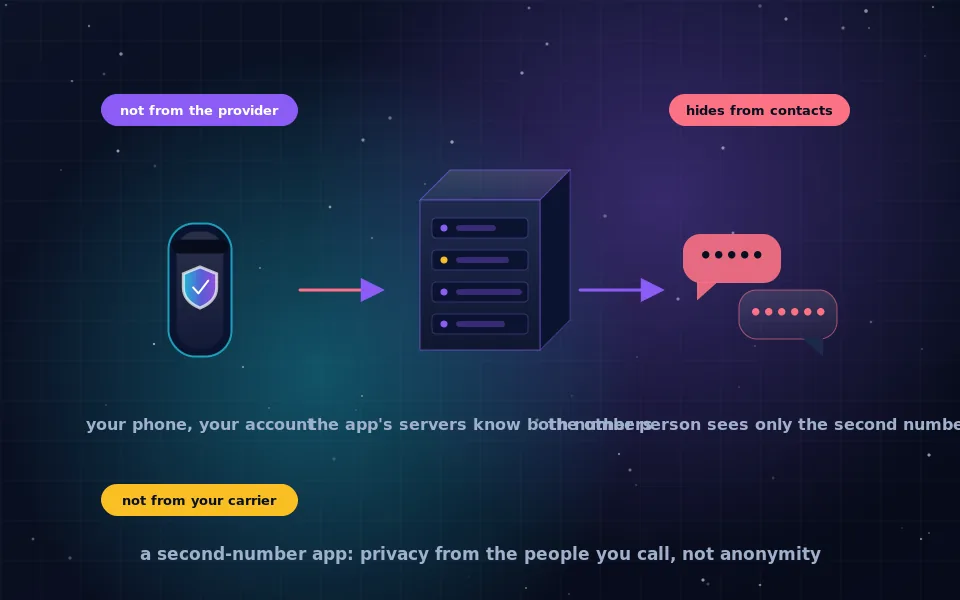
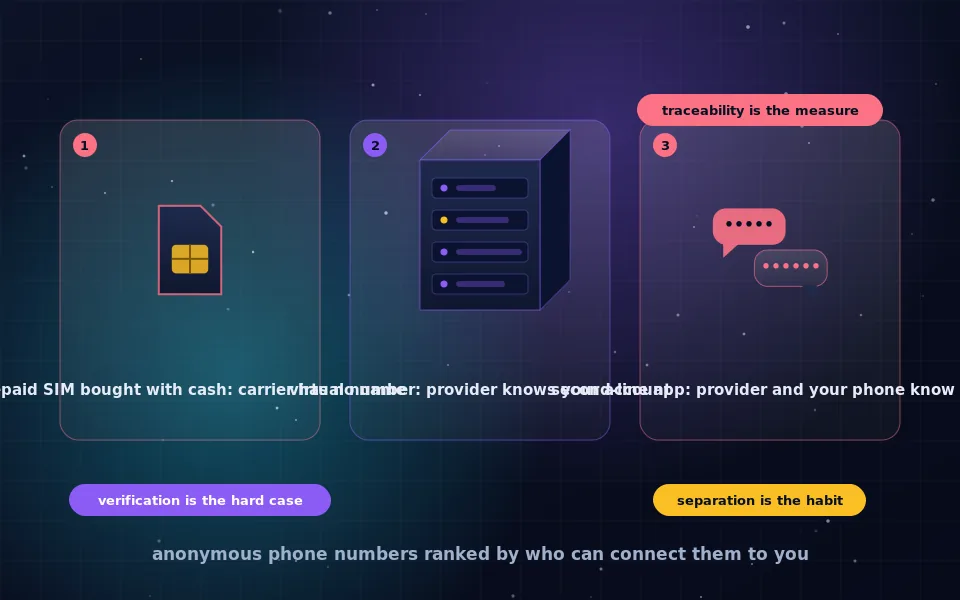
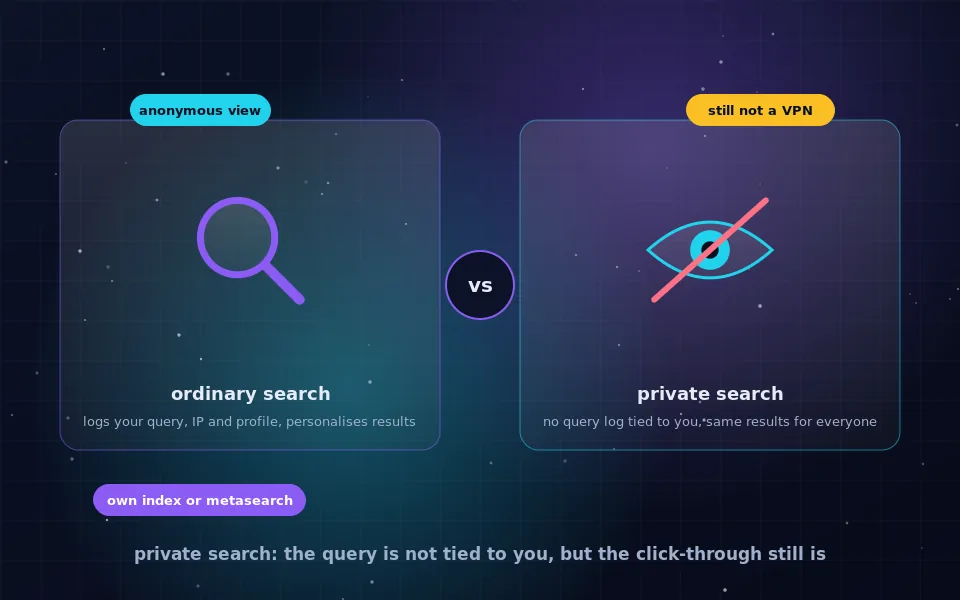
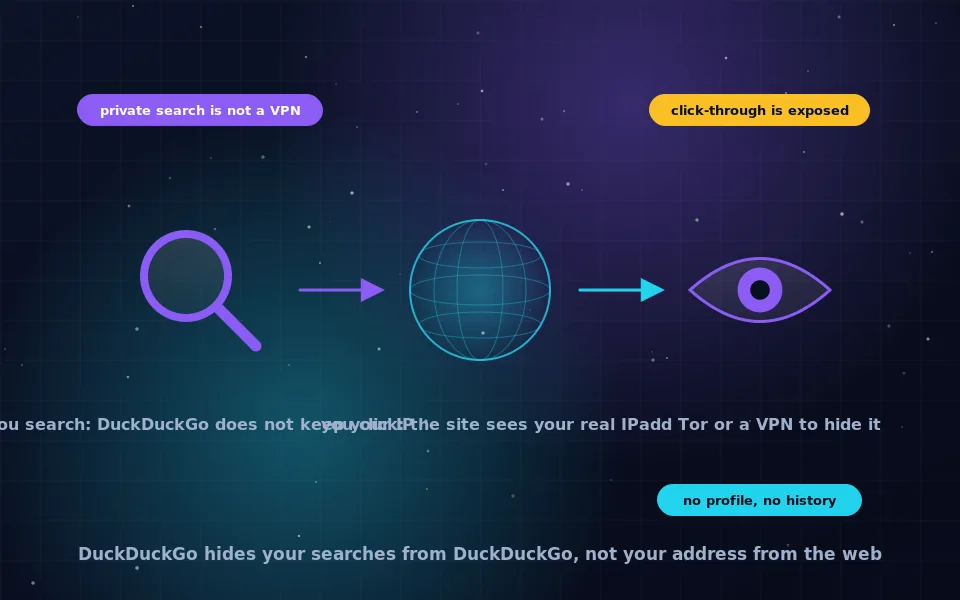
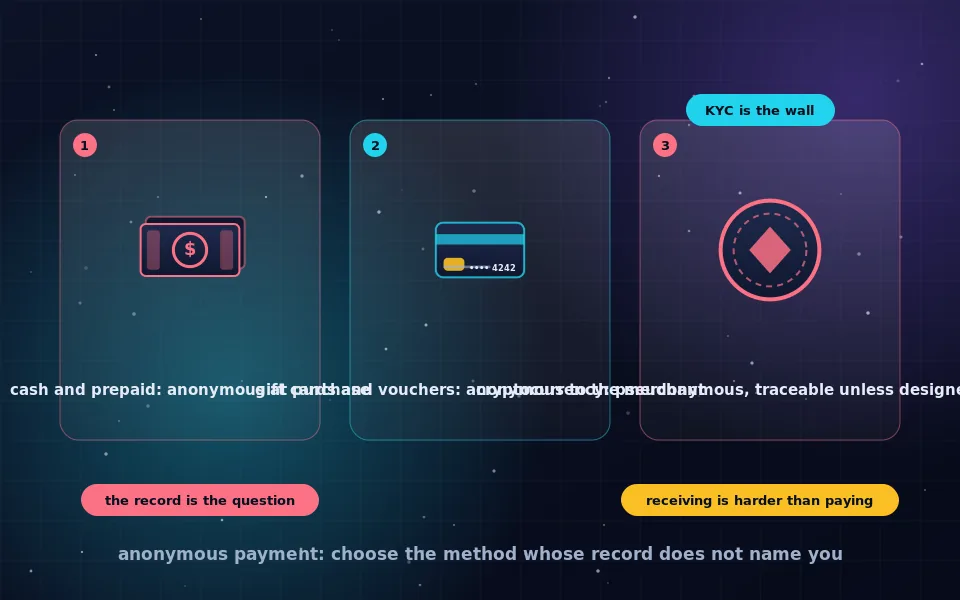
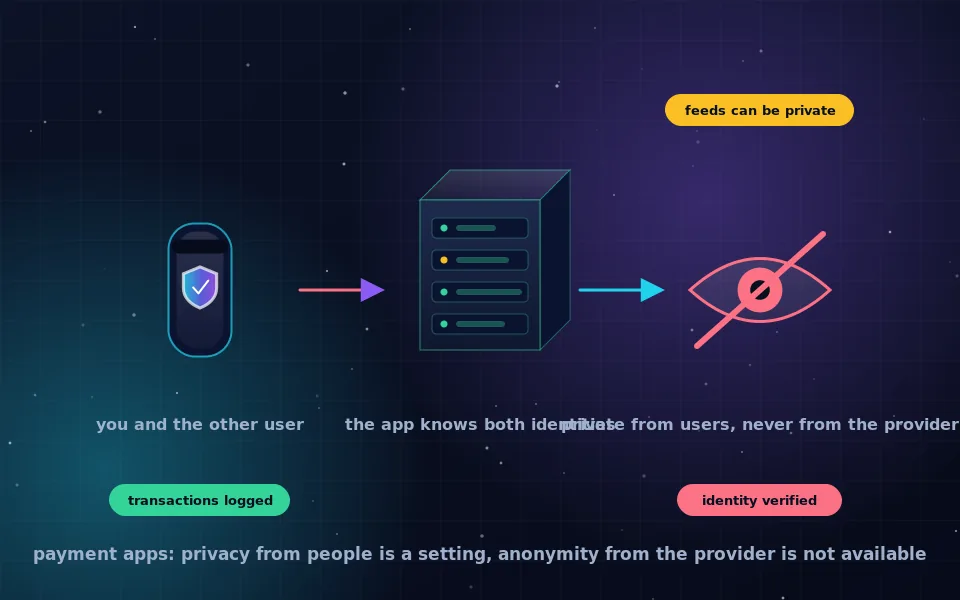
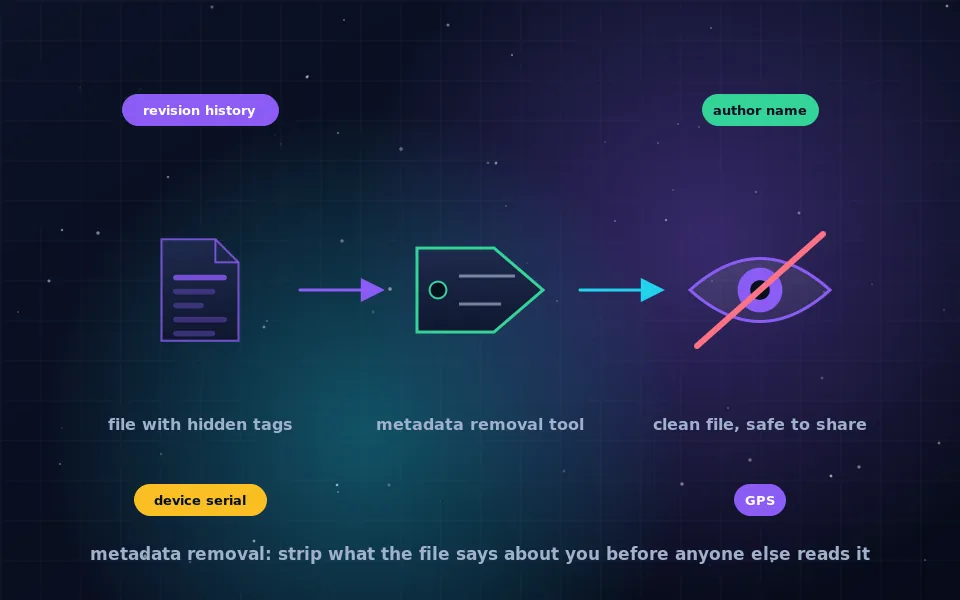
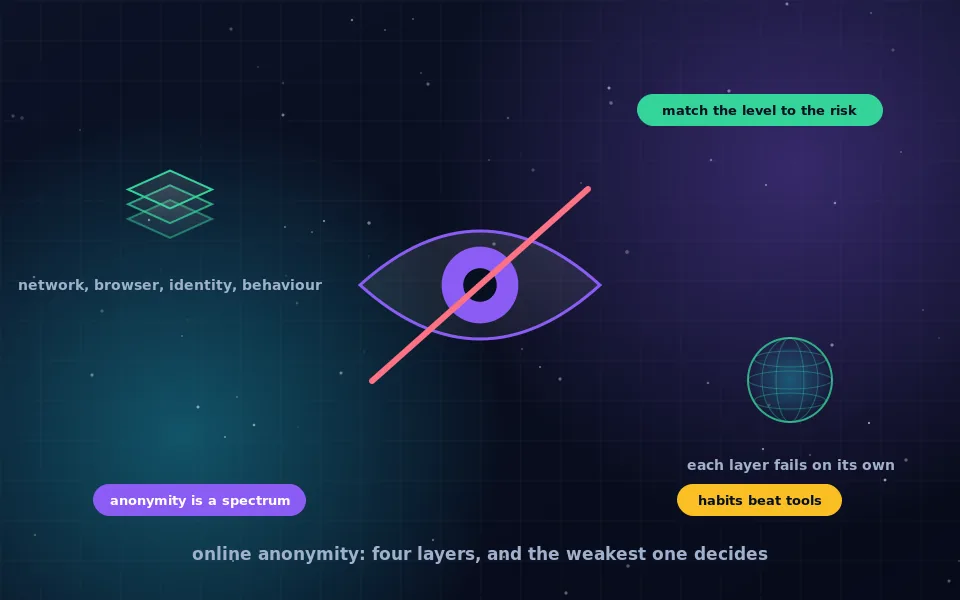
Anonymity online is not one product. The articles are grouped so that you can pick the layer you need. Anonymous email and Phones and numbers deal with identities: how to set up an address or a number that is not tied to your name, and where that separation breaks. Tor and onion routing, I2P and Anonymous operating systems cover the networks and live systems that hide where traffic comes from. Browsing and fingerprinting explains why a hidden IP address is not enough when your browser itself is recognisable, and Search, payments and metadata covers the everyday leaks that most people forget.
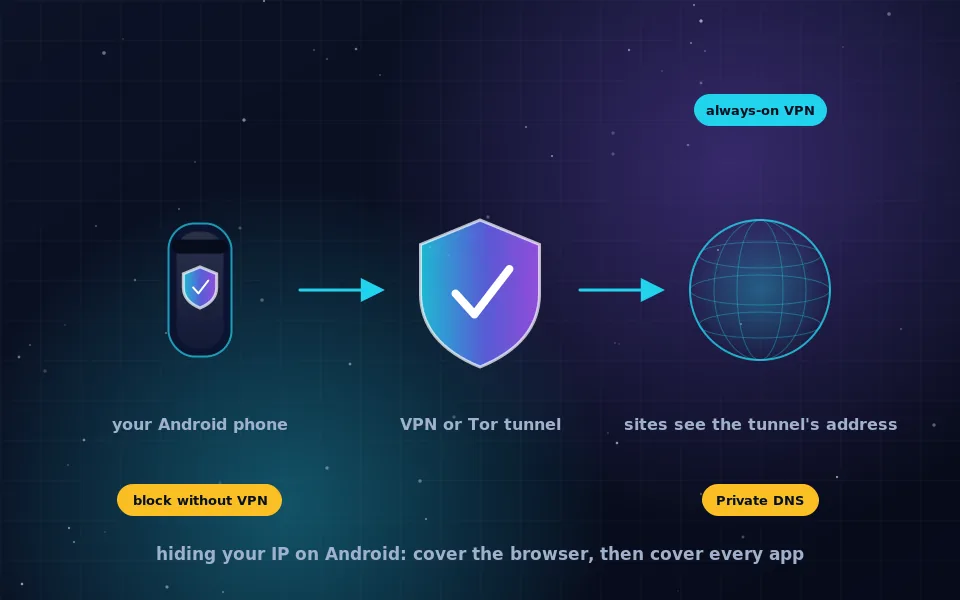
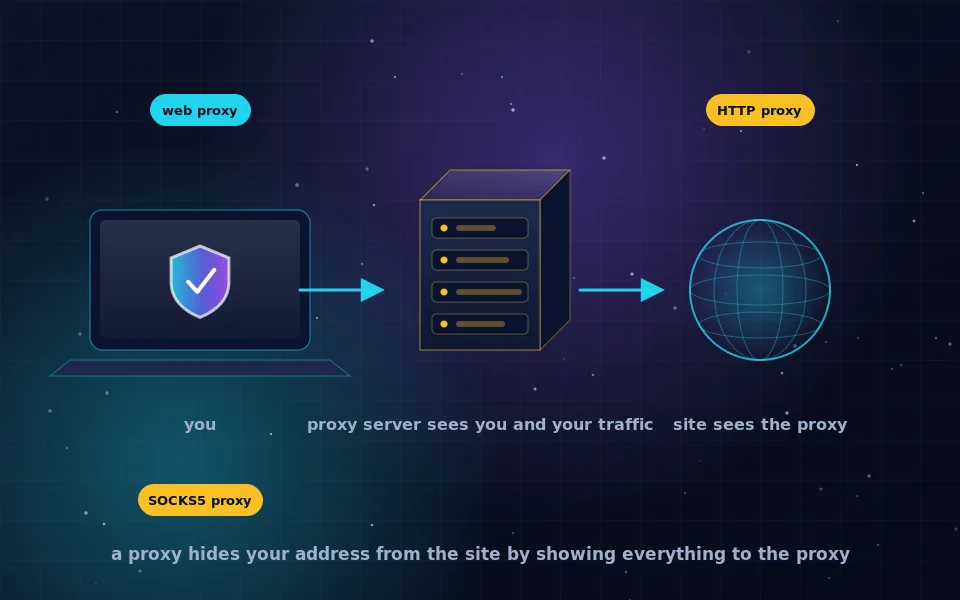
The older guides on this site are the starting point for IP addresses: how to hide your IP address, the iPhone version, the browser version and the history of the webvpn.org web proxy.
Frequently asked questions
Which anonymity guide should I read first?
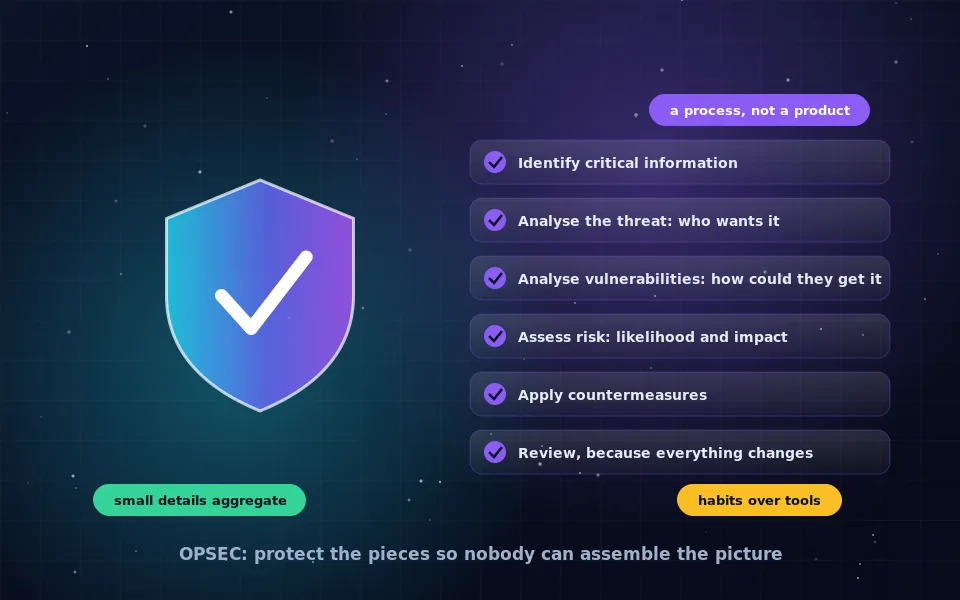
Read how to be anonymous online first. It explains the threat model idea, which is the question every other guide assumes you have answered: who are you hiding from, and what would it cost you if they succeeded.
Is anything on this site illegal to use?
Tor, I2P, Tails, Whonix, Qubes, PGP and the email and phone tools described here are legal to download and use in most countries, and are used daily by journalists, lawyers, researchers and ordinary people. Some countries restrict or block anonymity tools, so check local law, and remember that a tool being legal never makes an illegal act legal.
Do these guides link to dark web sites or marketplaces?
No. The guides explain how onion services and I2P sites work technically, but they do not list addresses, name marketplaces, or explain how to buy anything. The content is about protecting yourself, not about acquiring things.
Last reviewed and updated on . Plain text version: /anonymity.txt.